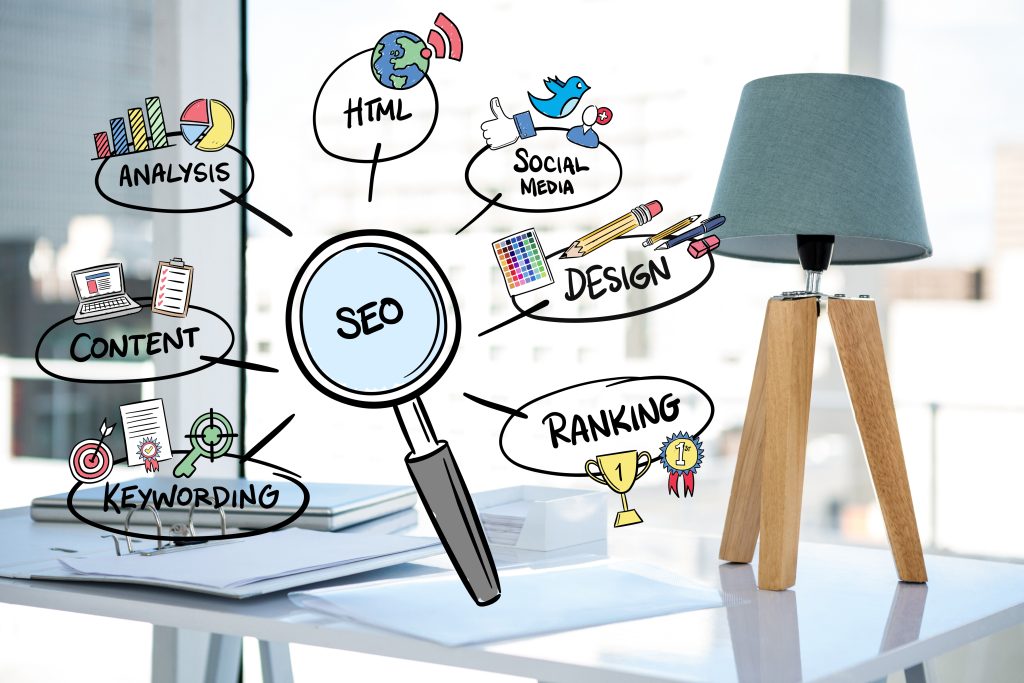
On-page SEO optimization is a crucial aspect of improving your website’s visibility on search engines. Here’s a step-by-step guide to uncover the secrets of on-page SEO for better search engine rankings:
Step 1: Keyword Research
- Identify Relevant Keywords:
Use tools like Google Keyword Planner, SEMrush, or Ahrefs to find keywords relevant to your content and target audience.
Long-Tail Keywords:
Include long-tail keywords for more specific and targeted search queries.
Step 2: Optimize Title Tags
- Include Target Keyword:
Place your primary keyword near the beginning of the title tag. - Keep it Concise:
Ensure the title is concise and accurately represents the content. - Maintain Relevance:
Make sure the title is relevant to the page’s content.
Step 3: Write Compelling Meta Descriptions
- Include Key Information:
Craft meta descriptions that provide a concise summary of the page content. - Encourage Clicks:
Use a compelling call-to-action to encourage users to click.
Step 4: Use Header Tags (H1, H2, H3, etc.)
- Hierarchy:
Organize content with a clear hierarchy using header tags. - Include Keywords:
Incorporate relevant keywords naturally within header tags.
Step 5: Optimize URL Structure
- Short and Descriptive:
Keep URLs short, descriptive, and include target keywords. - Use Hyphens:
Use hyphens to separate words for readability.
Step 6: Optimize Images
- Use Descriptive Filenames:
Rename image files with descriptive keywords. - Add Alt Text:
Include descriptive alt text that summarizes the image content.
Step 7: Create High-Quality, Relevant Content
- Quality Matters:
Produce high-quality, informative, and engaging content. - Keyword Placement:
Naturally incorporate keywords within the content.
Step 8: Internal Linking
- Relevant Links:
Include internal links to related content within your site. - Anchor Text:
Use descriptive anchor text that reflects the linked content.
Step 9: Mobile Optimization
- Responsive Design:
Ensure your website is mobile-friendly and responsive. - Mobile Page Speed:
Optimize images and code for faster mobile loading times.
Step 10: Page Loading Speed
- Optimize Images:
Compress images and use appropriate formats to reduce page load times. - Minimize HTTP Requests:
Minimize the number of elements requiring separate server requests.
Step 11: Secure Your Website (HTTPS)
- SSL Certificate:
Install an SSL certificate for a secure connection. - Google Preference:
Google tends to favour secure sites in search rankings.
Step 12: User Experience (UX) Optimization
- Clear Navigation:
Ensure easy navigation for a positive user experience. - Readability:
Use legible fonts and maintain a readable font size.
Step 13: Monitor and Analyze Performance
- Google Analytics:
Use Google Analytics to track user behaviour and site performance. - Search Console:
Monitor Google Search Console for insights into search performance.
By following these on-page SEO optimization steps, you can enhance your website’s visibility, improve search engine rankings, and provide a better experience for users. Regularly update and refine your strategies based on performance data and changes in search engine algorithms.
Get in touch with us at 57738079 or esha@socialsapiens.mu